
Home/Blog/Drywall patch by hole size
Drywall repair guideDrywall Patch by Hole Size: Which Repair Fits Your Wall
Match the repair to the hole. Spackle fills nail holes, a self-adhesive mesh patch handles small holes up to about 1 inch, a metal or California patch covers medium holes up to about 4 to 6 inches, and anything larger needs a cut-in patch fixed to wood or furring. Sources disagree on the exact cutoffs, so check each.
- Updated October 2026
- Official sources cited
- Written quote first
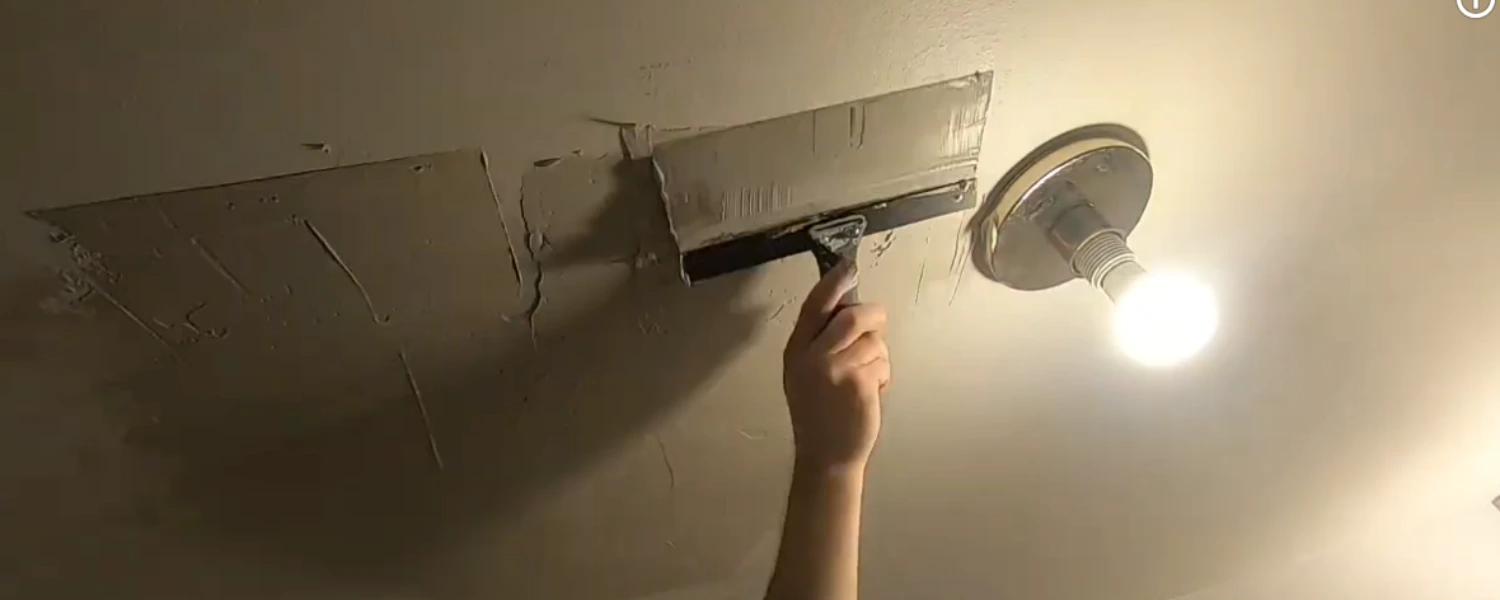
Patch method by hole size
Home improvement sources agree on the ladder of methods but not the exact size cutoffs, so here is who says what.
| Hole size | Common method | Source note |
|---|---|---|
| Nail or screw hole | Spackle, slightly overfilled, then sanded | This Old House, Lowe’s, Home Depot |
| About 1/2 to 1 1/2 inch | Self-adhesive mesh patch with thin coats | This Old House; Lowe’s says up to about 1 inch |
| Up to about 4 to 6 inches | Metal-reinforced patch or California patch | This Old House and Lowe’s say 6 inches; Home Depot says 4 inches |
| Larger than 4 to 6 inches | Cut-in drywall patch fixed to wood backing or furring strips | All three |
Coats, drying and priming
- Coats: This Old House calls for three coats on a 1.5 to 6 inch hole and at least two more after taping a large patch. Its ceiling guide says two or three thin coats.
- Drying: USG says joint compound dries in about 24 hours at 70 degrees and 70 percent humidity, longer if it is cooler or more humid. Family Handyman says all-purpose compound can need up to 24 hours between coats.
- Prime before paint: Family Handyman says bare compound is porous, soaks up paint and leaves a dull patch called flashing. Prime first, especially under semi-gloss paint.
Ceilings are different
Lowe’s says half-inch drywall is the most common thickness on interior walls framed 16 inches apart, while 5/8 inch suits ceilings and framing 24 inches apart and helps prevent sagging. Family Handyman says half-inch board can sag on trusses spaced 24 inches apart because it cannot handle the span. The fix is 5/8 inch drywall or 1×3 furring on 16 inch centers, secured with 2 1/2 inch drywall screws about every 2 feet, and 2×2 furring if the sag exceeds 3/4 inch.
That means a sagging ceiling is a fastening problem, not a mud problem. If it is wet or stained, find the cause first. See our ceiling stain guide.
Older Rochester homes
If the house was built before 1978, painted surfaces can contain lead, and old patching compounds and textured paints can contain asbestos. Read lead paint and asbestos in older Rochester homes before you sand. We do wall and ceiling patching and painting on the repaired area; see drywall repair.
Where the facts come from
- This Old House, How to Fix a Hole in a Wall
- This Old House, How To Patch a Drywall Hole
- Lowe’s, How to Patch and Repair Drywall
- Home Depot, How to Patch and Repair Drywall
- USG, How long does it take joint compound to dry?
- Family Handyman, What Should You Do If Your Ceiling Is Sagging?
- Family Handyman, How to Prep Walls For Painting
- Lowe’s, Drywall Buying Guide
Rules and prices change. Check the source for the current version before you rely on a number.
Related services
Drywall repair
Holes, cracks, patches and paint.
Ceiling repair
Stains, cracks and sagging.
Small repairs
One visit, one to-do list.
Quick questions
How big a hole can I patch with a mesh patch?
Lowe’s says up to about 1 inch, and This Old House says 1/2 to 1 1/2 inches. Larger holes need metal or cut-in patches.
How long does joint compound take to dry?
About 24 hours at 70 degrees and 70 percent humidity, according to USG. Cooler or more humid rooms take longer.
Why does my drywall patch show through the paint?
Unprimed compound soaks up paint and looks dull, which is called flashing. Prime the patch first.
Request a visit
Call 585.555.0142 and tell us about the job. We answer every call.
100 Sample Street, Rochester, NY 14604 | Hours: Monday–Saturday, 8:00 AM – 6:00 PM